A comparison needs a stable frame
A convincing before-and-after sequence preserves enough information for comparison. The same object, angle and illumination let you inspect a change rather than simply accept a caption. When a video jumps from dim, flat lighting to bright directional light, some of the apparent improvement may come from photography rather than treatment.
Wet surfaces are another useful caution. Water can temporarily deepen colour and alter reflections. Oil, wax and clear coatings can do something similar, with different implications for durability. A glossy reveal is evidence of how the surface looks at that moment, not proof of what was removed or how the object will age.
Not every kind of order is the same
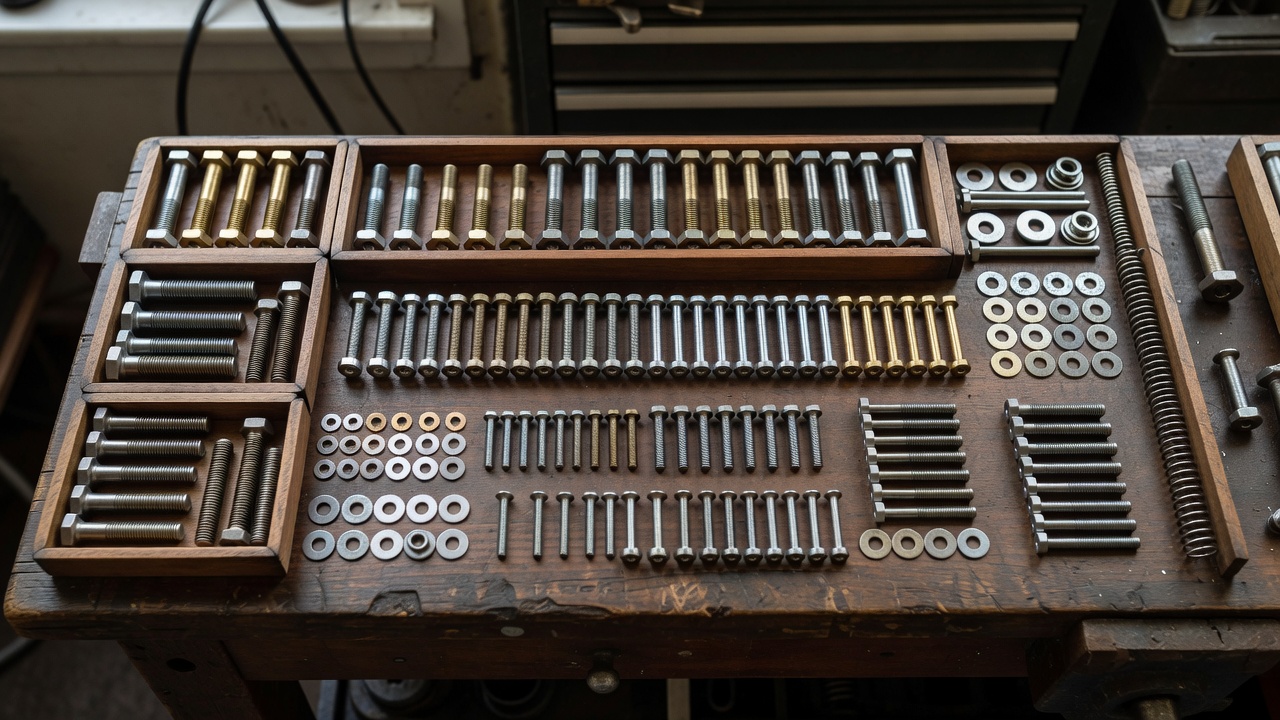
Sorting clips produce order by rearrangement. Cleaning clips remove unwanted material. Restoration may add, replace or reshape components. These operations share a visual grammar, but they have different physical consequences. Putting coloured pieces into groups does not pose the same historical questions as grinding an old tool until its surface is uniformly bright.
Perceptual grouping offers one way to discuss the appeal of a sorted field. Similar shapes and nearby elements tend to be seen together, making a previously irregular arrangement easier to describe. That is a useful interpretation of the image. It does not prove that every viewer prefers symmetry, or that visual neatness reflects an objectively better state.
Restoration is not simply a brighter finish
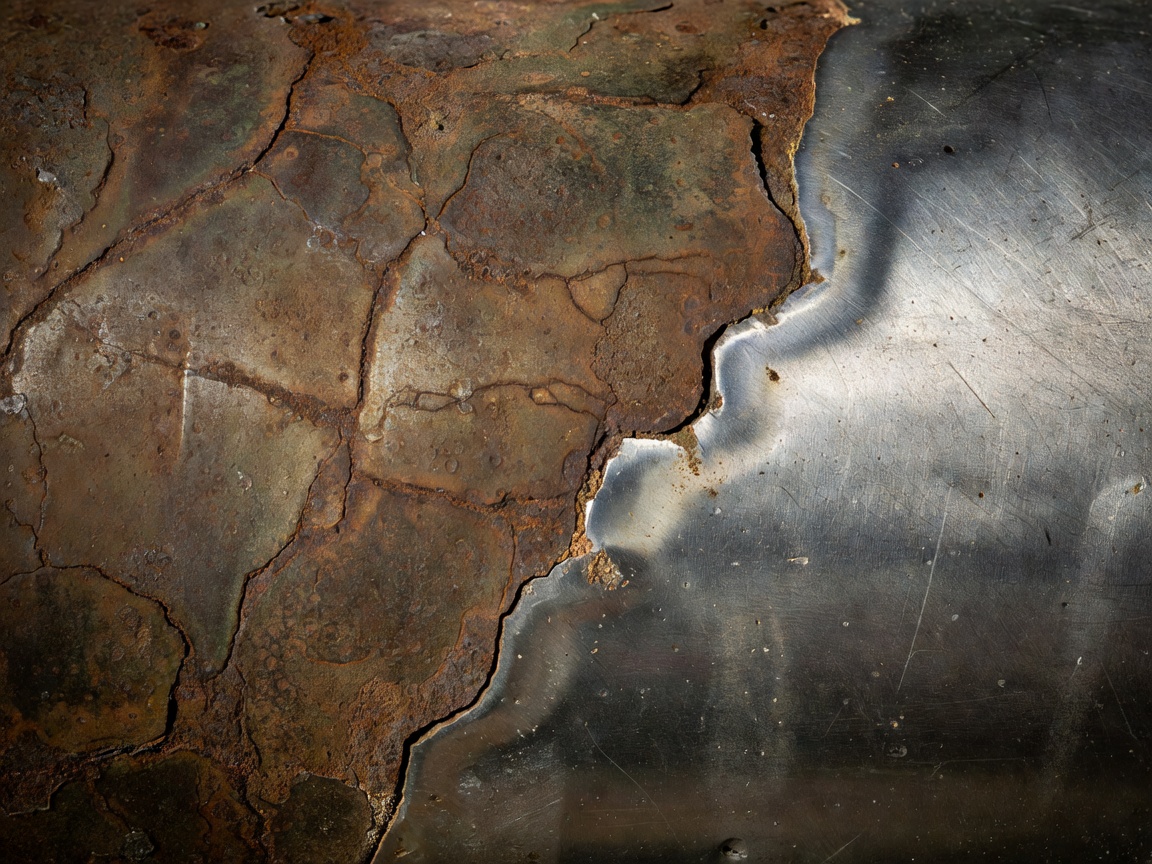
A corroded object can carry evidence of manufacture, repair and use. Removing a layer may reveal detail, but it may also erase information. The American Institute for Conservation’s Code of Ethics emphasises informed decisions and documentation; the International Council of Museums’ conservation terminology distinguishes preventive conservation, remedial conservation and restoration.
These distinctions matter when a clip presents aggressive abrasion as an obvious rescue. A working workshop tool, an archaeological object and a family keepsake can require very different decisions. The Victoria and Albert Museum and the Canadian Conservation Institute provide useful routes into professional conservation thinking. Neither a viral reveal nor this essay substitutes for advice about a particular object.
For a viewer, the most revealing question is often not “How shiny did it become?” but “What was preserved, what was removed, and why?” Good documentation can make a less spectacular treatment more informative than a flawless-looking final frame.
Watch the missing middle
Transformation edits frequently compress the slowest decisions: testing a small area, identifying a material, waiting for drying, assessing damage and choosing when to stop. These omissions may be understandable in a short film. They become misleading when the result implies that the visible action alone caused the entire change.
Look for continuity around the difficult transitions. Does the same scratch remain visible? Is a damaged component repaired or replaced? Does the maker show the reverse side? These questions do not require suspicion toward every creator. They simply restore some of the context that a reveal format tends to remove.
A modest creative experiment
You can explore the visual structure without handling solvents, sharp tools or valuable objects. Arrange clean paper shapes into an irregular field, then photograph the same field after sorting by size. Keep the camera and light fixed. Compare the images and note which feature your eyes find first: a boundary, a cluster or a repeated interval.
This is an observation exercise, not a controlled psychological study. Its value is in making your interpretation explicit. You may discover that an imperfect intermediate arrangement is more interesting than the finished pattern. Satisfaction can live in the emergence of order, not only in its completion.