Why Your Eyes Want to Watch It Again
A rough surface becomes smooth. A final piece finds its place. What makes such ordinary changes so difficult to look away from?
LOOK INSIDE THE SATISFACTIONThe Moment That Holds You
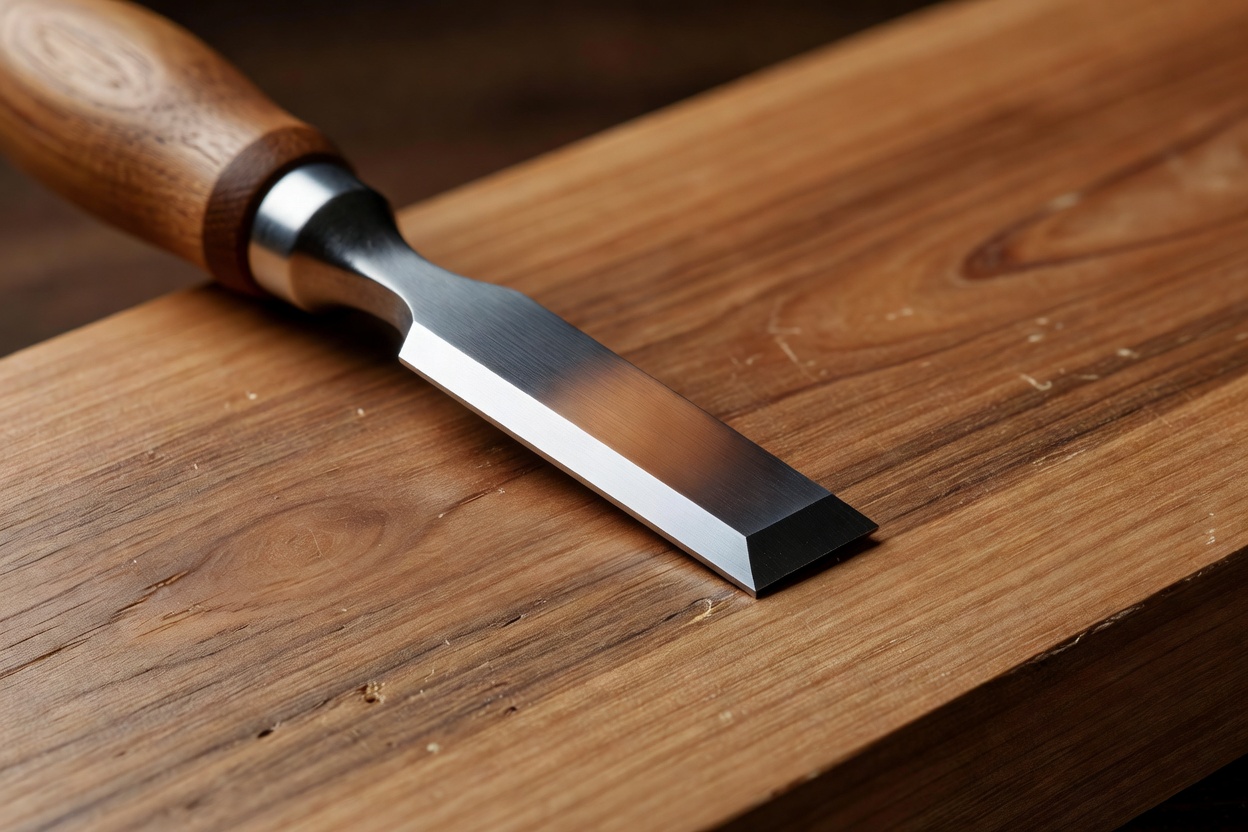
A blade crosses a rough surface. A thin shaving lifts, curls, and separates. Behind it, a clean strip catches the light. Even before the pass ends, your eyes have somewhere to go.
The scene offers a modest promise: this motion will produce a visible result. Repetition makes the promise easier to follow; material resistance keeps it interesting. Neither a mysterious brain trick nor a universal recipe is needed to describe that tension.

Order Emerging
Cleaning, sorting and restoration make a difference legible. A divided surface gives you a before and an after inside the same frame.
But a dramatic reveal can conceal the decisions that produced it. Removing corrosion is not always conservation, and making an old object shine is not always preserving its history.
Read Watching Order Appear →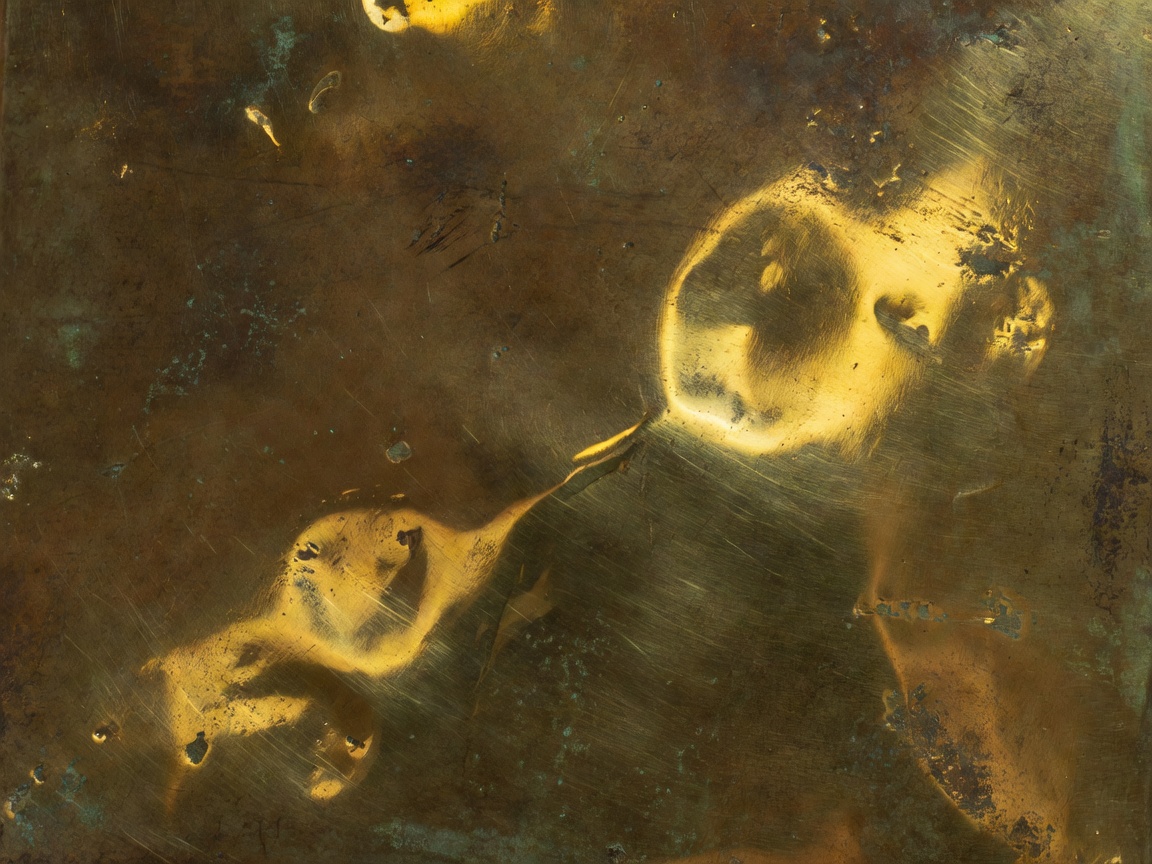
Precision at Close Range
A potter trims a rim. A joiner pares a shoulder. The movement appears economical because the maker is continually adjusting to the material.
Close-up footage makes the contact point visible, but it can hide years of practice, failed attempts and the setup outside the frame. Watch the tool angle as closely as the finished edge.
Read Precision Under the Lens →
Rhythm in the Making
Repeated parts, measured pours and rotating tools turn production into a visible beat. A steady camera helps you learn the cycle. A small variation gives the next cycle something to reveal.
Editing also manufactures rhythm. Speed changes, hidden joins and carefully selected sound can make an irregular process appear seamless.
Read Repetition in Production →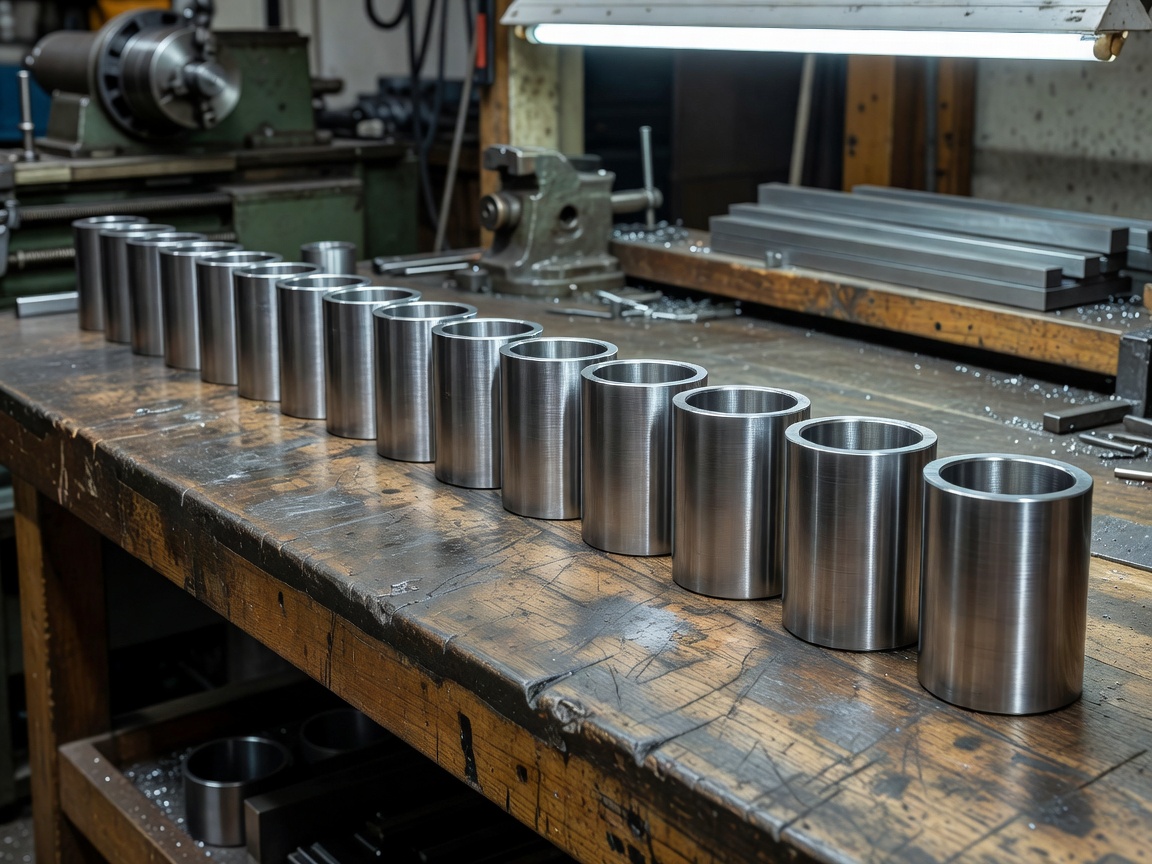
What Attention Notices
Processing fluency, perceptual grouping and event boundaries offer useful ways to discuss why some sequences feel coherent. They do not establish a single cause for every satisfying clip.
Your preferences, context, sound sensitivity and familiarity all matter. “Satisfying” names an experience, not a diagnosis or a measurable property shared by every viewer.
Read The Pull of Visual Closure →Four ways into the frame
Watching Order Appear
Restoration, sorting and material change without the miracle narrative.
Precision Under the Lens
The difference between a neat result and a skilled process.
Repetition in Production
Cycles, camera placement and the manufactured feeling of flow.
The Pull of Visual Closure
What research can suggest, and what a clip cannot prove.
Looking a Little Deeper
Is a satisfying video the same as ASMR?
No. They can overlap, but ASMR refers to a particular reported sensory experience, often involving tingling. Visual satisfaction does not require it.
Does watching these clips treat anxiety?
Some people find them pleasant or calming. That does not establish treatment effectiveness, and these essays are not medical advice.
Can a restoration look better but preserve less?
Yes. Removing an aged surface can also remove evidence of use or original material. Appearance and conservation are different goals.